
Products Center
‹
›
‹
›
Products
Product Description
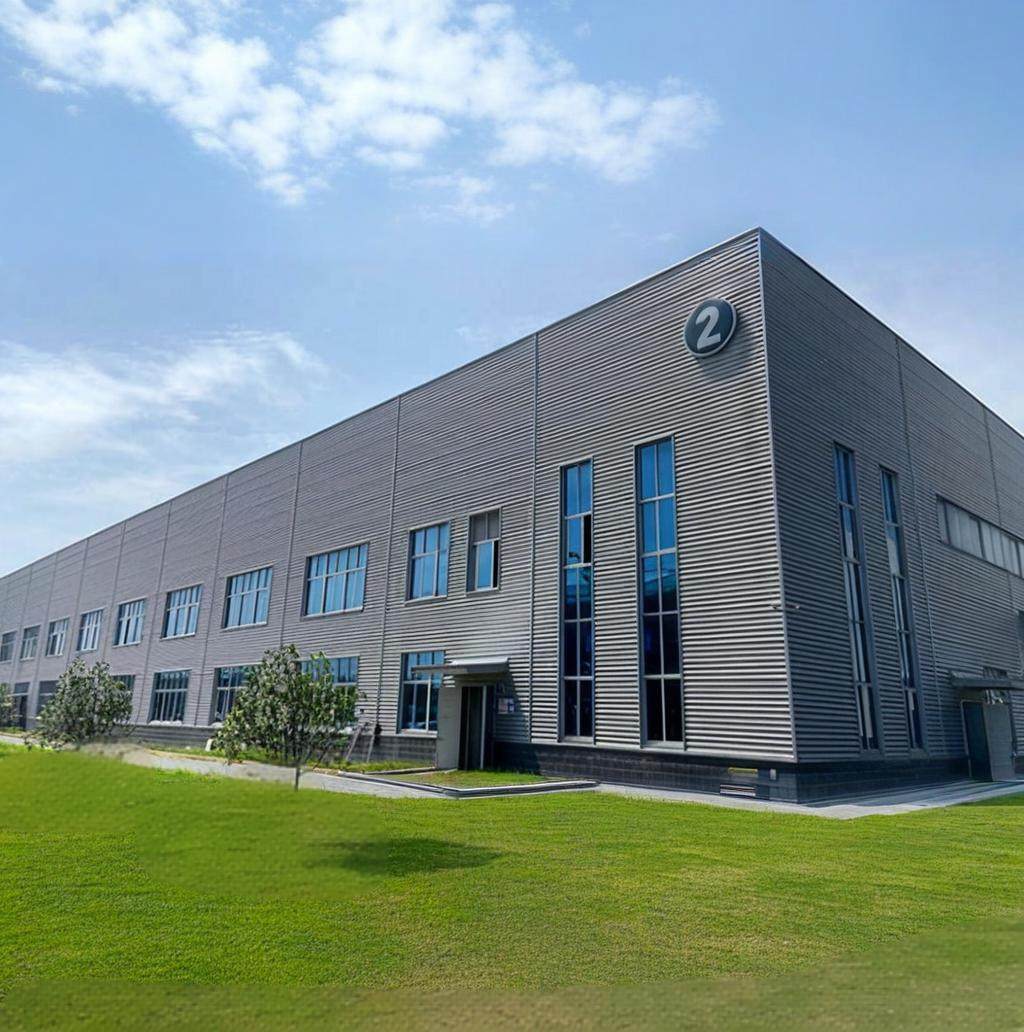
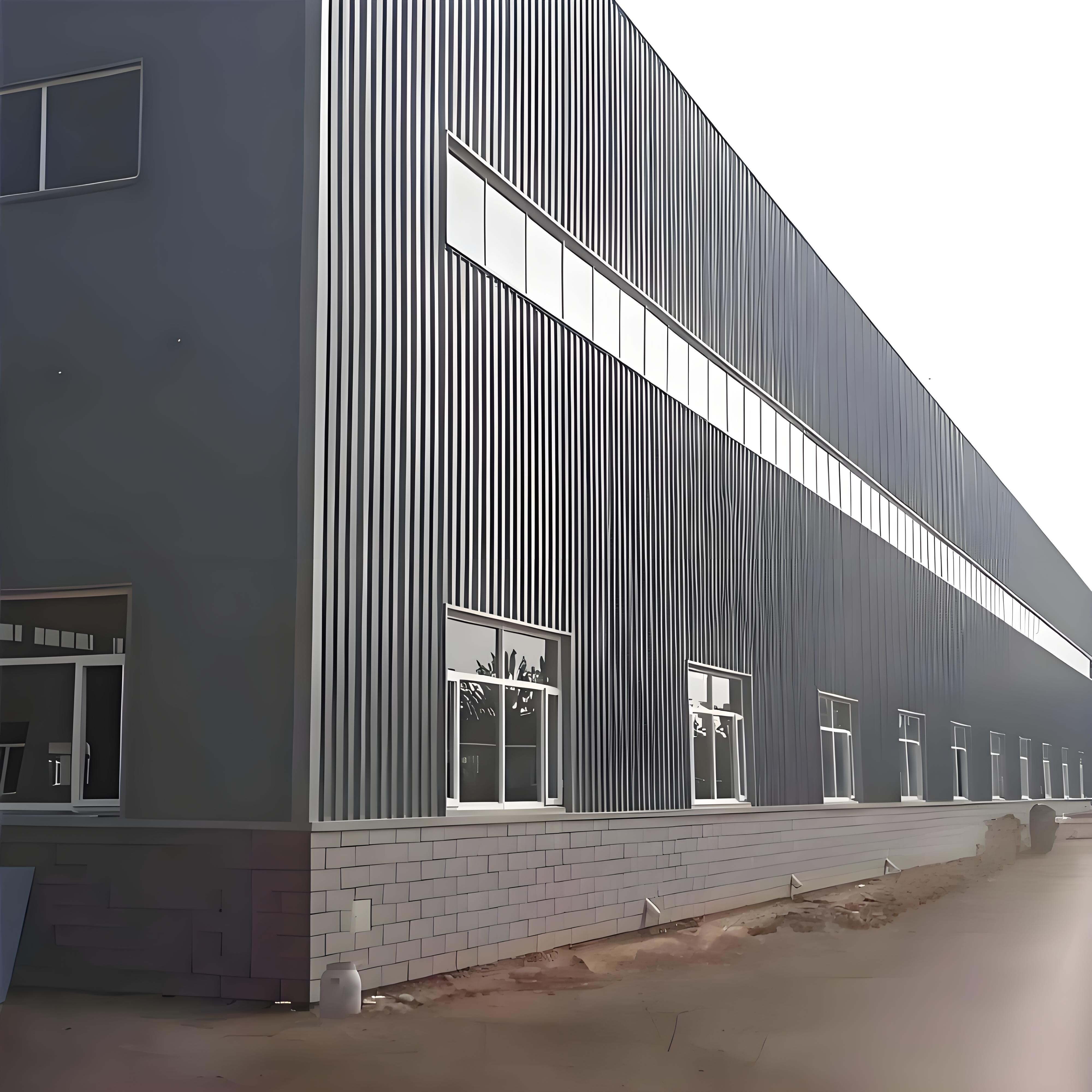
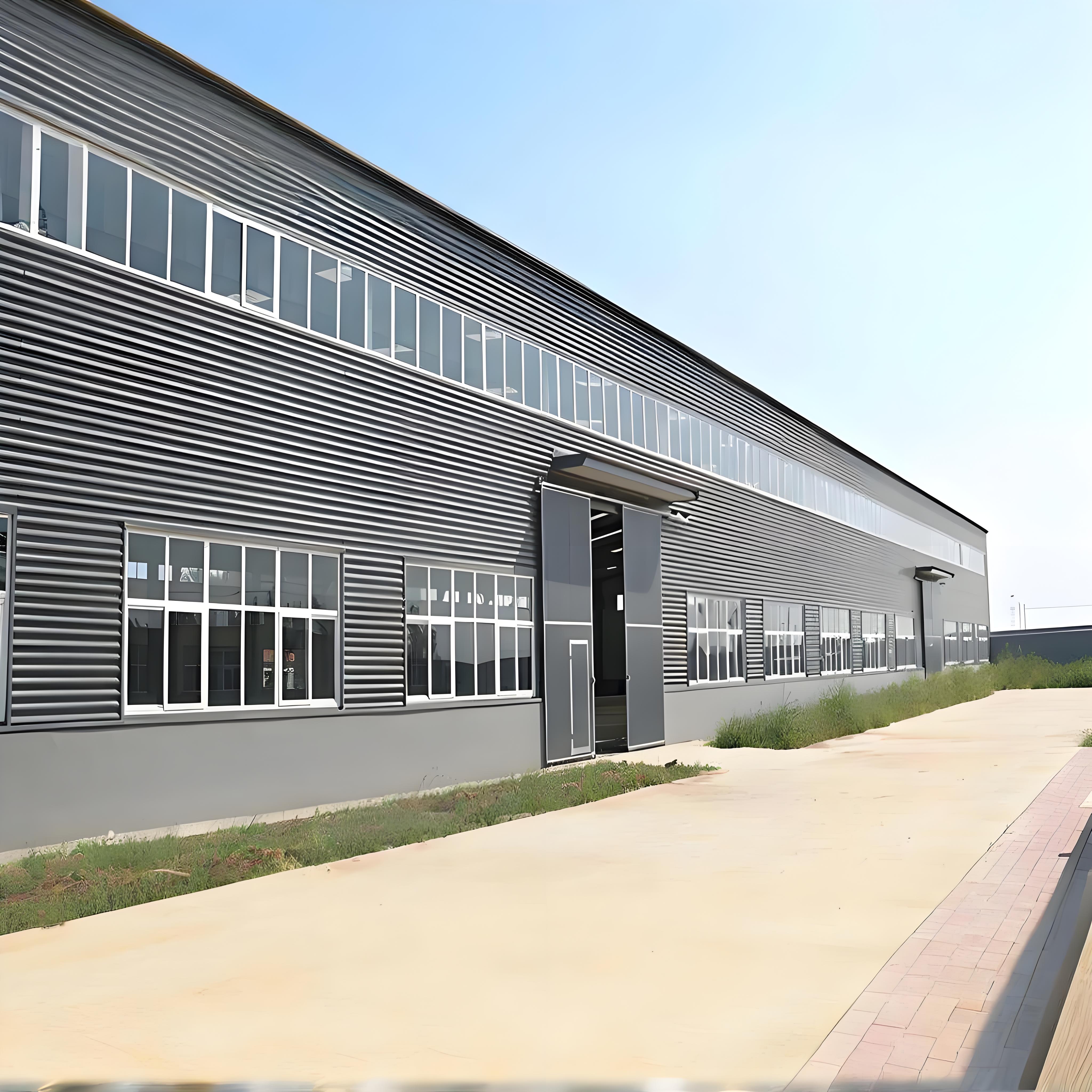
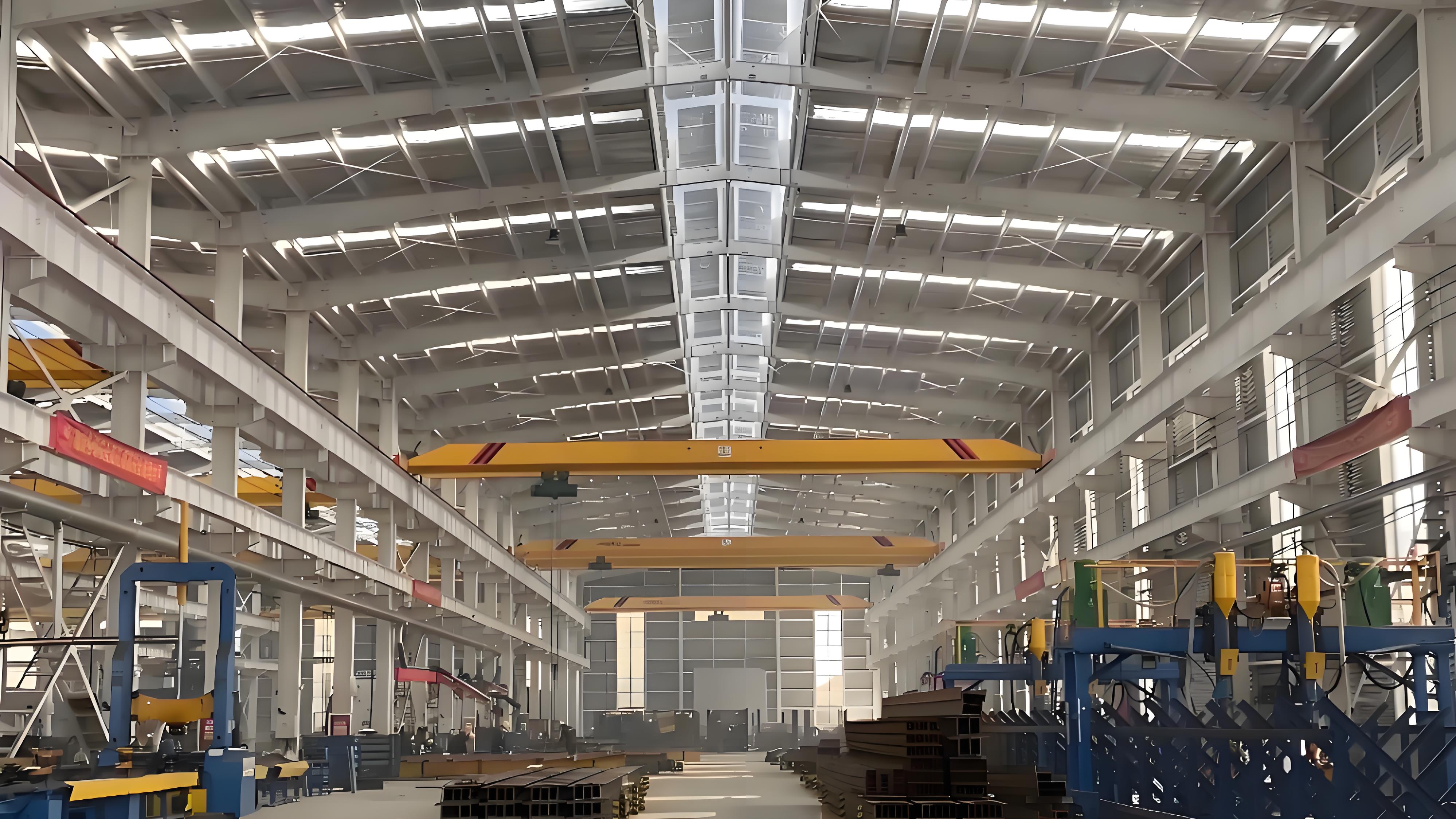
The Art and Science of Steel Structural Warehouse and Workshops: Design Diversity and Practical Wisdom Introduction: The Framework of Modern Civilization Steel structural frames form the literal and metaphorical backbone of contemporary architecture and infrastructure. From soaring skyscrapers to innovative public structures, steel's unique combination of strength, versatility, and adaptability has enabled engineers to transform ambitious visions into built reality. This article synthesizes decades of global experience with steel framing, examining both established and emerging design philosophies that continue to push the boundaries of what's structurally possible.
----------------------------------------------------------------------------------------------------------------------------------
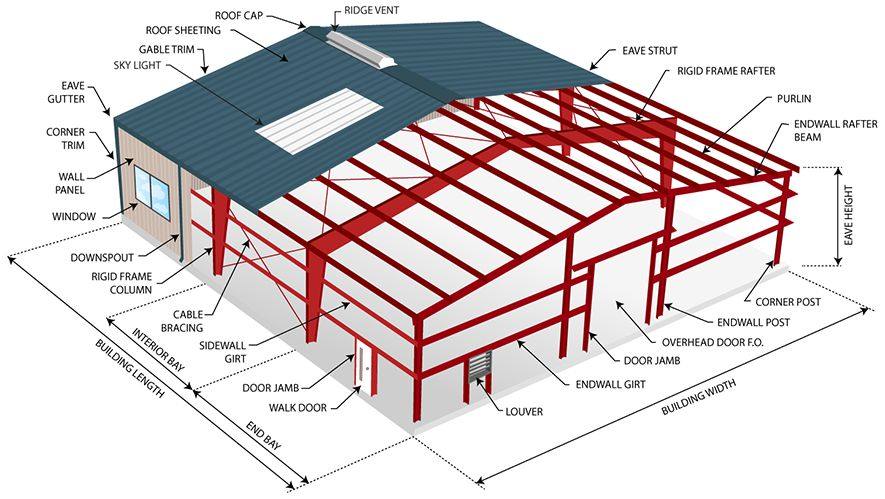
Structural Systems: Tailoring Frameworks to Function
The choice of structural system fundamentally dictates a building's behavior under loads. Modern engineering offers multiple sophisticated approaches:
* Moment-Resisting Frames:Characterized by rigid beam-column connections that resist rotation, these frames leverage inherent continuity to transfer both gravity and lateral loads. Ideal for medium-rise buildings requiring flexible floor plans, their performance depends heavily on connection design.Beijing's 91m-tall Changfu Palace Hotel (1987) exemplifies this system, achieving a 1/337 maximum drift ratio despite its slender profile. Notably,its designers deliberately chose this over a stiffer braced-frame alternative to prioritize construction simplicity 8. * Braced Frames: Introducing diagonal members transforms structural efficiency: * Concentric Braces: Direct load paths handle high seismic forces economically but risk buckling under extreme loading. Optimal for industrial facilities where ductility isn't primary 2. * Eccentric Braces: Deliberately offset links act as ductile "fuses" that yield first during earthquakes, protecting primary members. The calculated deformation in the beam segment (α) dissipates energy, making this system a gold standard in high-seismic regions 2. * Off-Center Braces: An innovative variant where crossed braces intentionally miss alignment, creating a controlled softening effect that reduces seismic input forces—ideal for open ground floors in retail or lobby spaces 2. * Hybrid Systems: Combining frames with shear walls or cores offers balanced solutions. Shanghai Tower (632m) utilizes a mega-frame with outriggers—steel-concrete composite supercolumns and belt trusses work with its core to resist complex wind vortices, demonstrating how hybridity enables record-breaking heights 8.
Table: Steel Frame System Selection GuideSystem TypeMax Practical HeightLateral Drift ControlIdeal ApplicationsMoment Frame30 storiesModerateOffices, Hospitals Concentrically Braced40 storiesHighIndustrial, Data CentersEccentrically Braced50 storiesExceptionalHigh-Rise, Seismic ZonesHybrid (Core + Frame)100+ storiesUltra-HighSuper-Tall Buildings
----------------------------------------------------------------------------------------------------------------------------------
Iconic Case Studies: Lessons from Pioneering Projects
A. The "Apple Bike Shed" – Netherlands (2010)This whimsical yet structurally sophisticated bicycle pavilion demonstrates how parametric design enables complex geometries:
* Spiral Framework: Five ascending helical beams create a self-stabilizing shell, carrying 60% of vertical loads through axial action.
* Innovative Node Design: Custom bolted connections (not welded) balanced Dutch labor costs. Though specified to prevent nesting, birds still colonized cavities—a lesson in designing for all environmental interactions 1.
* Software Synergy: SCIA Engineer handled primary FEA, while Tekla’s automated detailing won awards—proving digital integration’s value in fabricating irregular components 1.
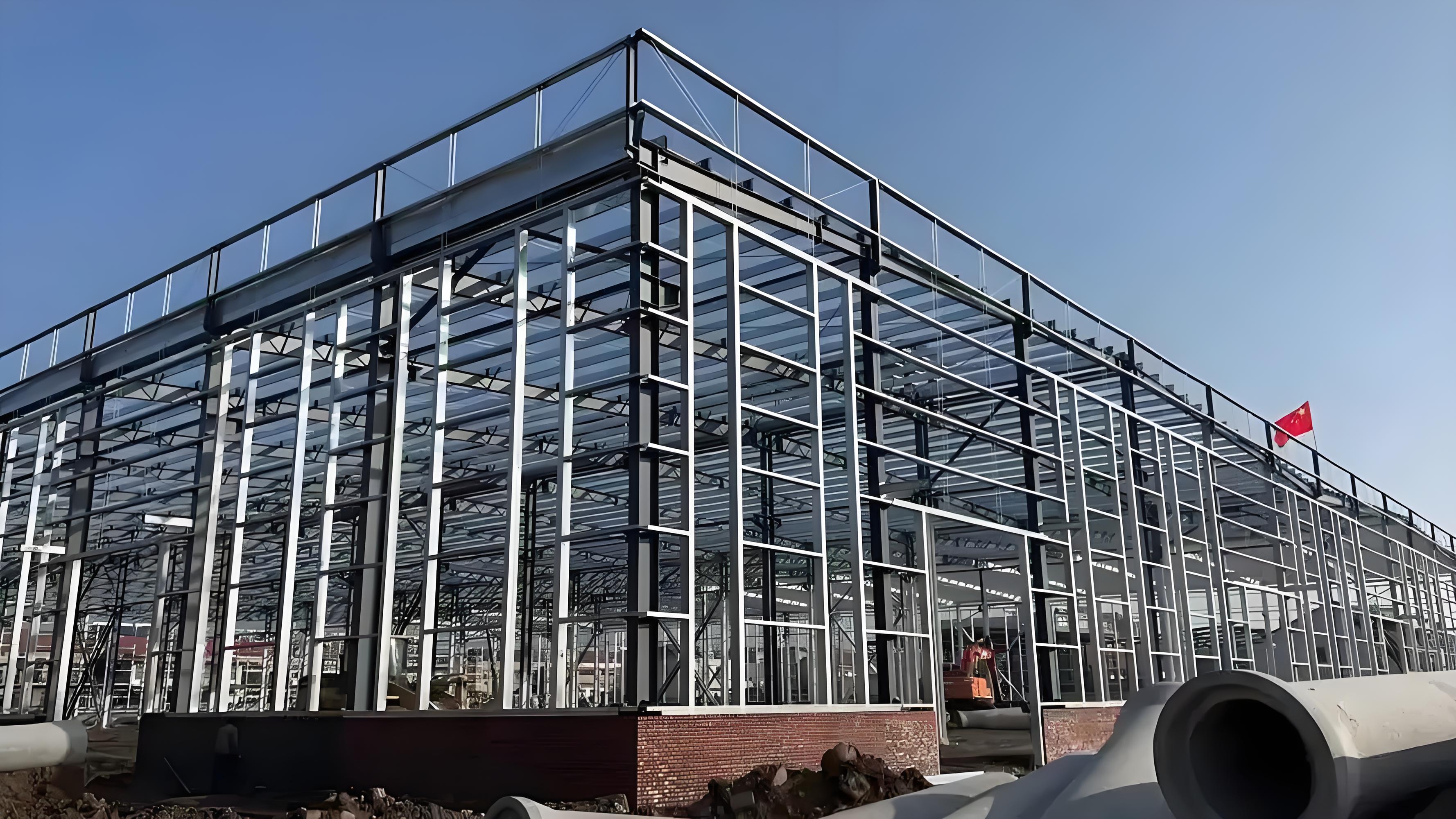
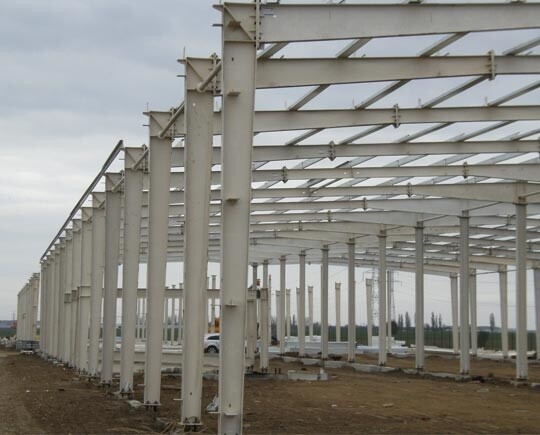
B. Double-Bay Portal Frames – Industrial BreakthroughCold-formed steel portal frames evolved dramatically with multi-bay configurations: * Slender Internal Columns: Under symmetrical gravity loads, internal columns experience near-zero moment, enabling leaner designs. Under wind, however, stiff external bays carry 80%+ of lateral forces, revealing why internal joints demand specialized detailing like ECT-1/2 configurations 4.
* Cost Efficiency: One internal column serves two bays, reducing foundations/connections. A 30m x 100m warehouse saved 19% in steel tonnage versus twin single-bay frames 4.
----------------------------------------------------------------------------------------------------------------------------------
Connection Design: Where Theory Meets Reality
Joints dictate structural integrity more than any member. Advances address seismic and fabrication challenges: * Traditional Methods:
* Bolted Splices: Allow field adjustments but require strict slip-control. * Welded Joints: Offer continuity but risk brittle fractures if procedures lapse.
* Seismic Innovations: Corrugated steel-plate composite joints (2023 research) achieved 0.206 damping ratios and 3.67 ductility factors by forcing plastic hinges into beams—validating "strong joint, weak member" principles 7.
* Automated Nodes: The Apple project’s macros for Tekla standardized 5,000+ unique bolt patterns—slashing detailing time by 70%
Table: Connection Performance ComparisonConnection TypeStrength EfficiencyConstruction SpeedSeismic SuitabilityConventional Welding95%SlowModerateHigh-Strength Bolting85% FastGoodCorrugated Composite110%*MediumExcellentRelative to member yield capacity
----------------------------------------------------------------------------------------------------------------------------------
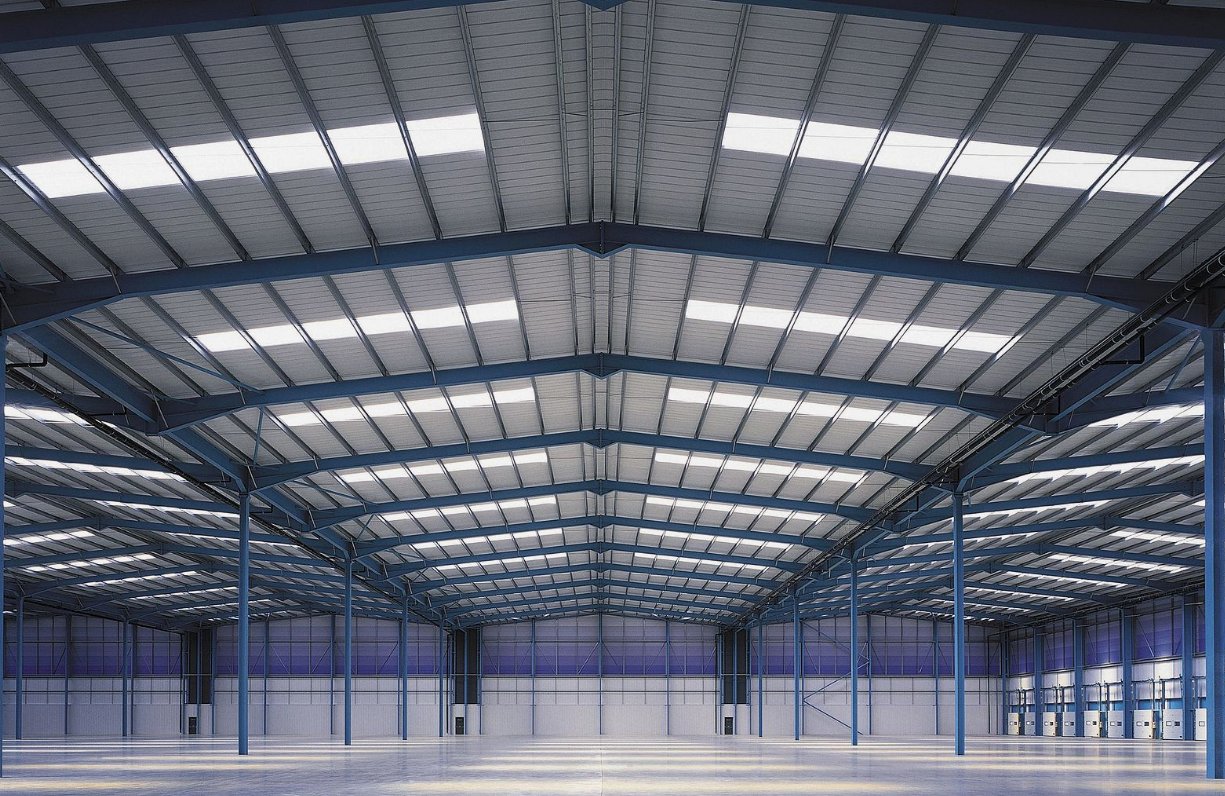
Emerging Frontiers: Lightweight & Sustainable Systems
A. Light Steel Framing (LSF)Cold-formed sections (C≤4mm) now dominate low/mid-rise construction:* Speed & Precision: Pre-punched studs/services reduce build times 40% versus concrete 10.
* Sustainability: 100% recyclable frames with infill insulation achieve Passive House standards.
* Gilan Province Project: Post-earthquake reconstruction in Iran used LSF for its 1/3 weight of masonry, slashing foundation costs in poor soils 10.
B. Robotic Fabrication & AI* Algorithmic optimization now minimizes steel tonnage in complex nodes by 15–25%.
* Automated welding cells ensure consistent quality where manual skill gaps exist.
----------------------------------------------------------------------------------------------------------------------------------
The Art of Anticipating Real-World Behavior
Beyond codes, expert intuition avoids pitfalls:* Bird Nests as Load Cases: The Apple’s hollow members unexpectedly hosted birds—prompting future designs to incorporate pest barriers 1.
* Foundation Economics: LSF’s 60% lighter frames enable cheaper rafts in weak soils—a hidden savings often overlooked.
* Maintenance Access: Shanghai Tower’s inspectable dampers exemplify designing for whole-life usability.
----------------------------------------------------------------------------------------------------------------------------------
Conclusion: The Future FrameSteel structures continue evolving through symbiotic advances in materials science, computational design, and constructional pragmatism. As trends like automated light-gauge systems and performance-based seismic design gain momentum, engineers mustn balance innovation with lessons etched into past structures—sometimes literally, by nesting birds. The next era will prioritize not just strength and efficiency, but resilience, adaptability, and circularity, ensuring steel remains humanity’s most versatile building companion.
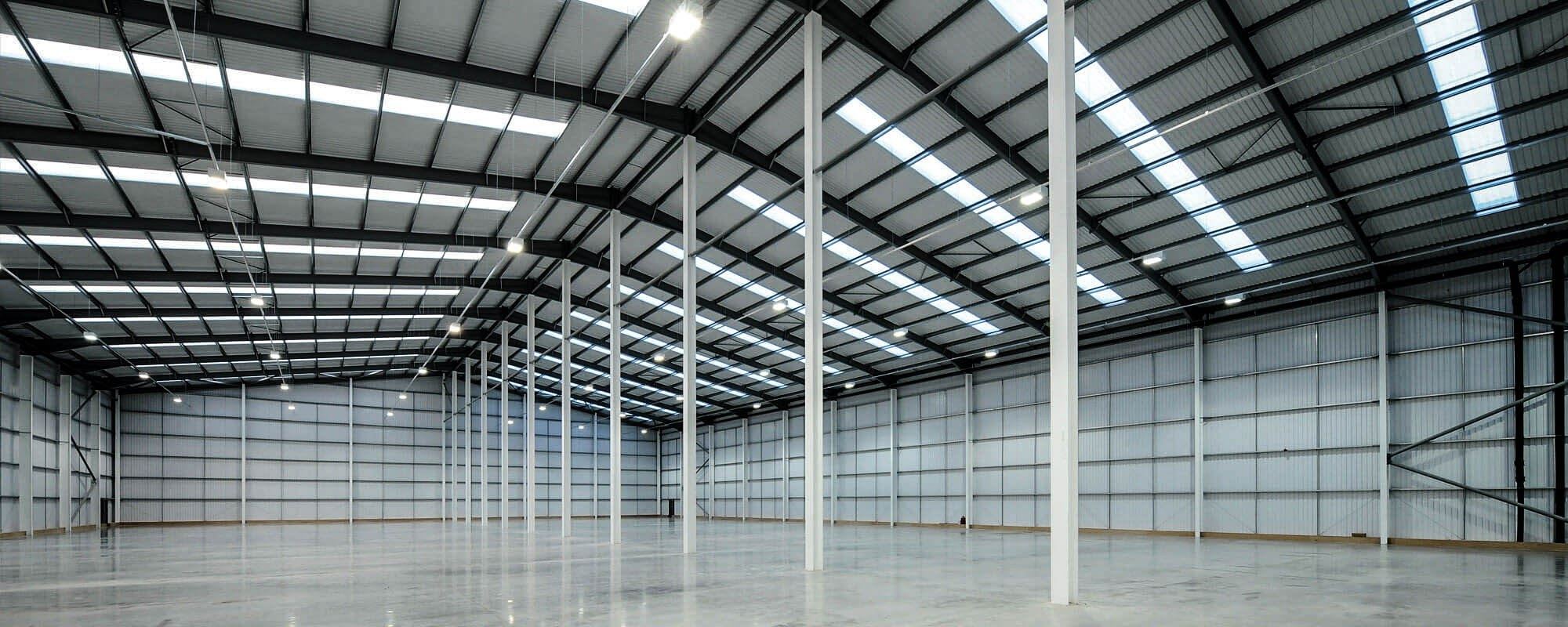
Specification
Packing & Delivery
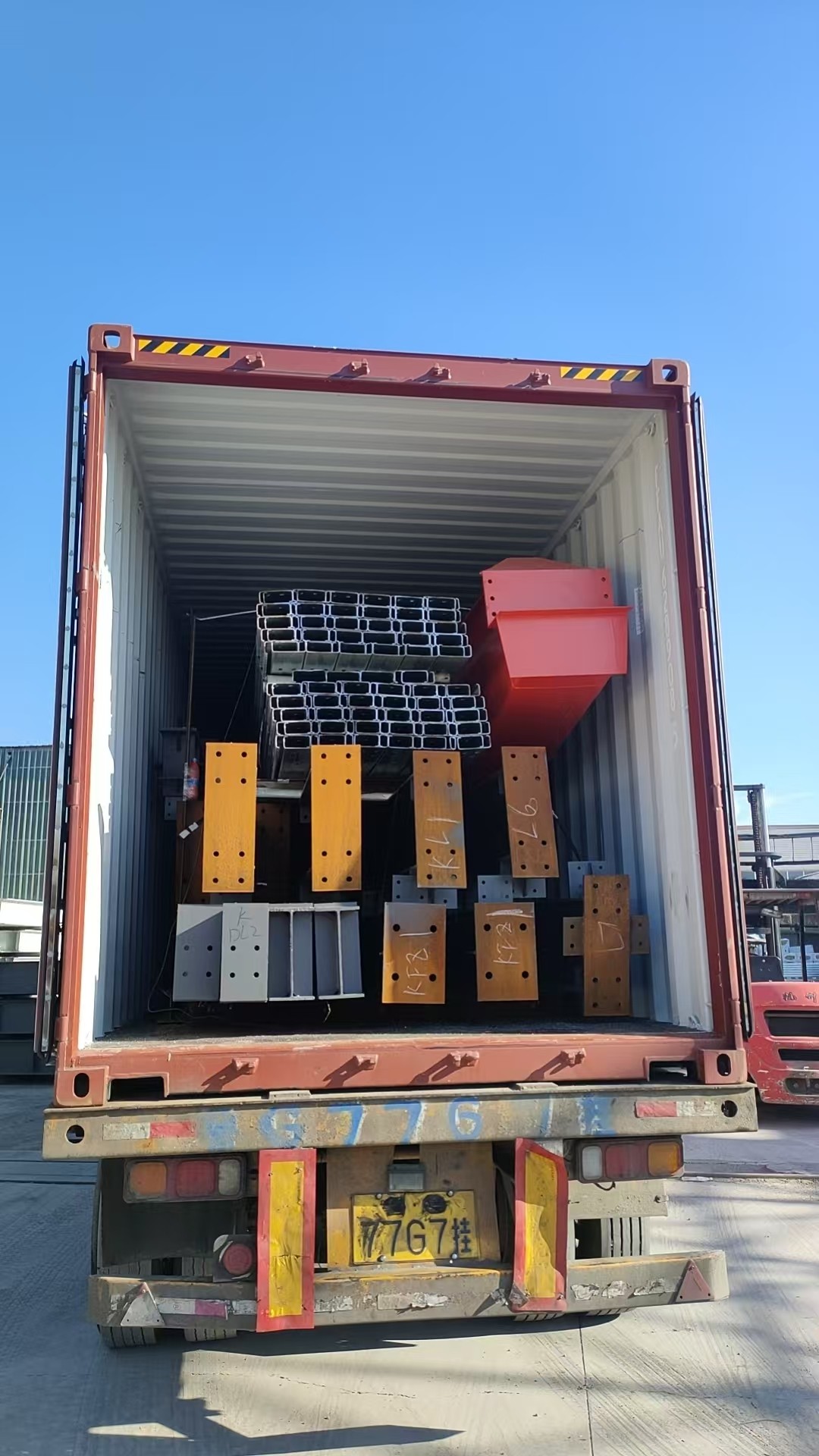
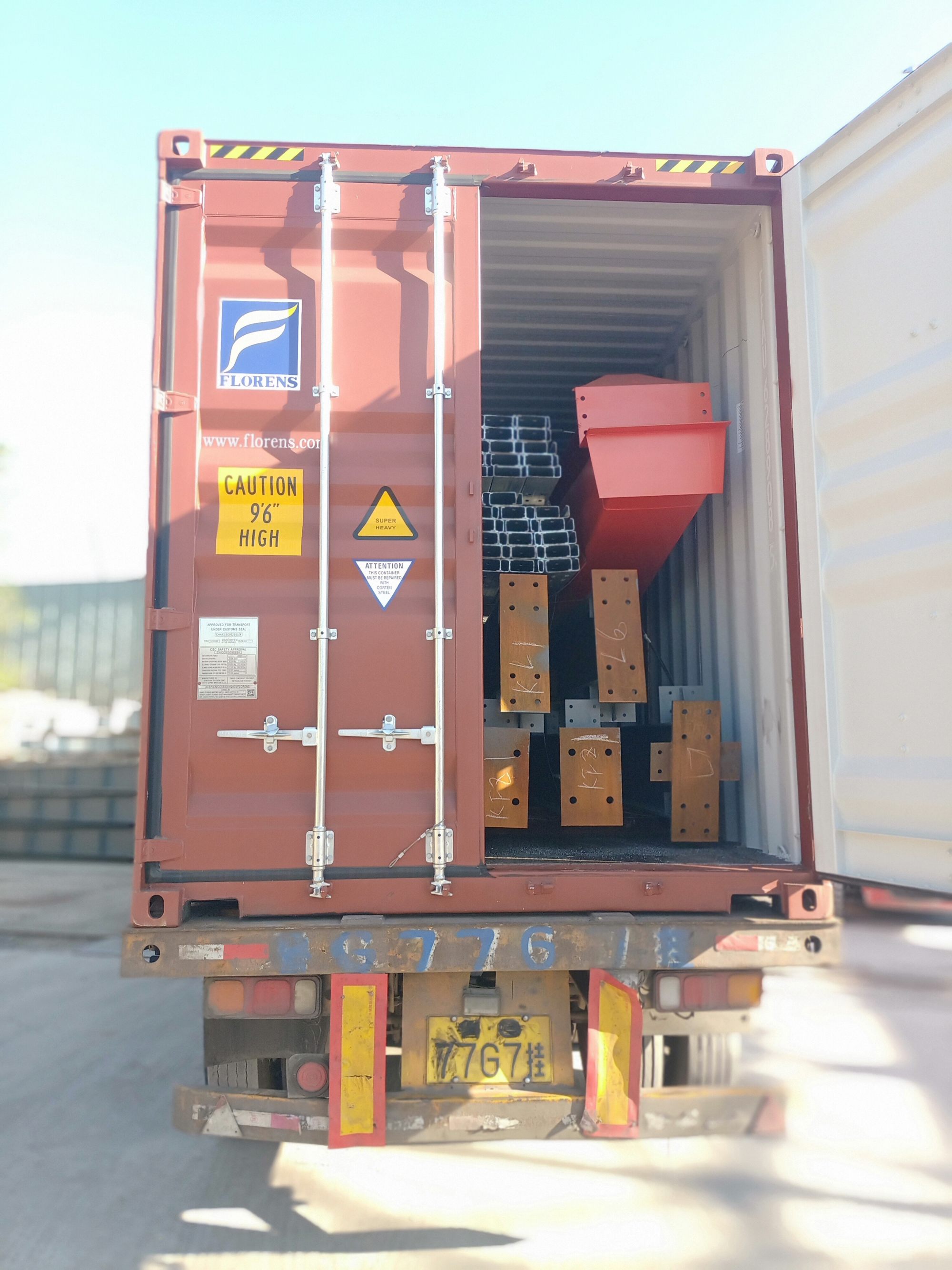
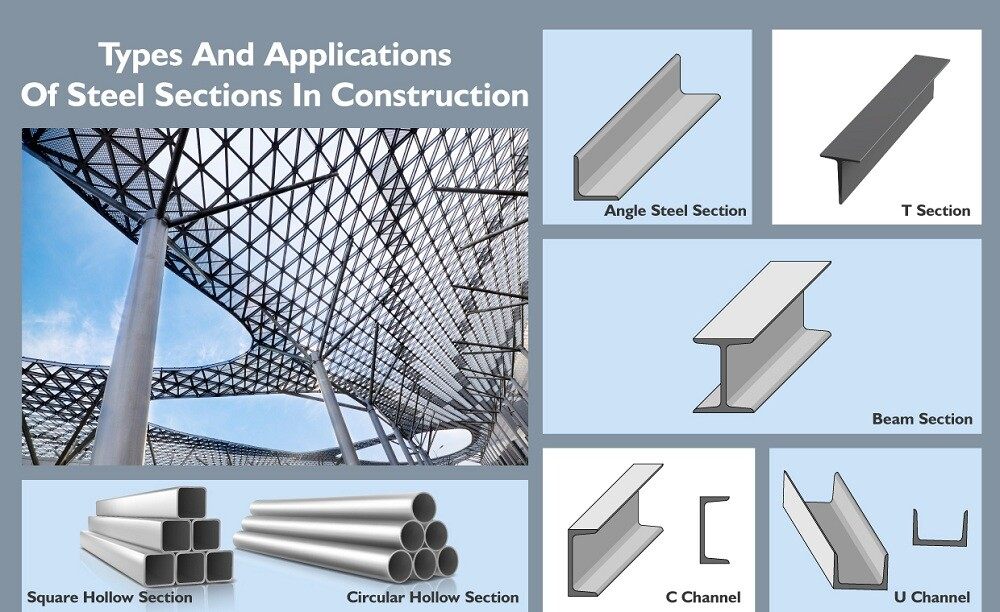
Products
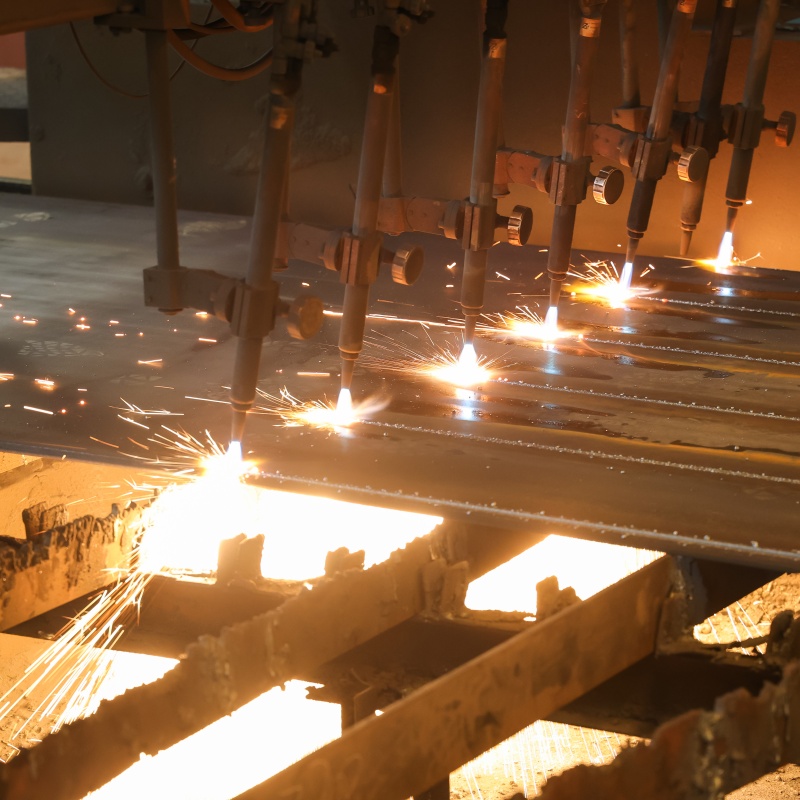
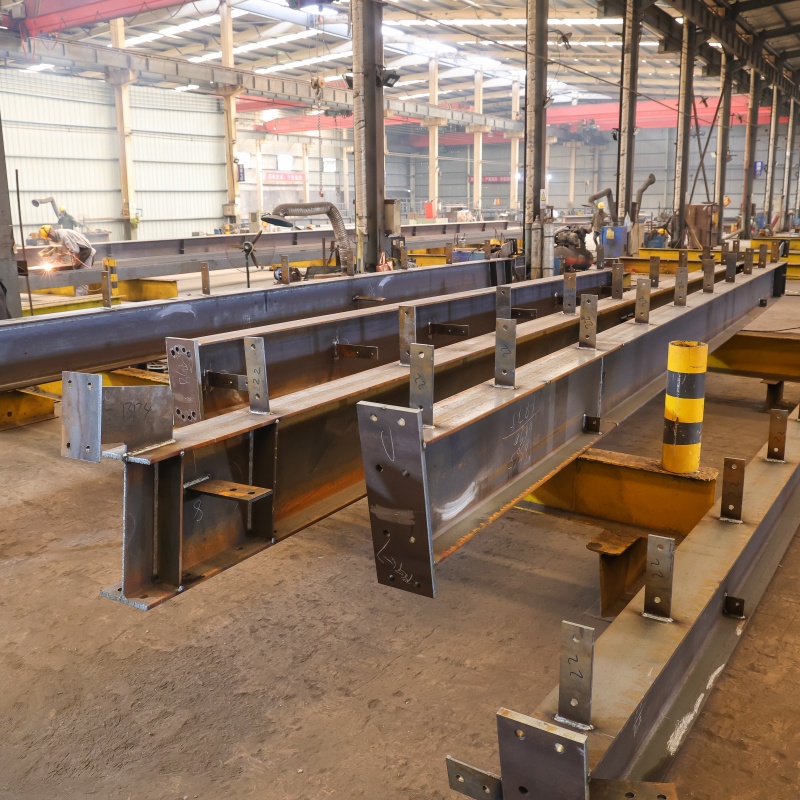
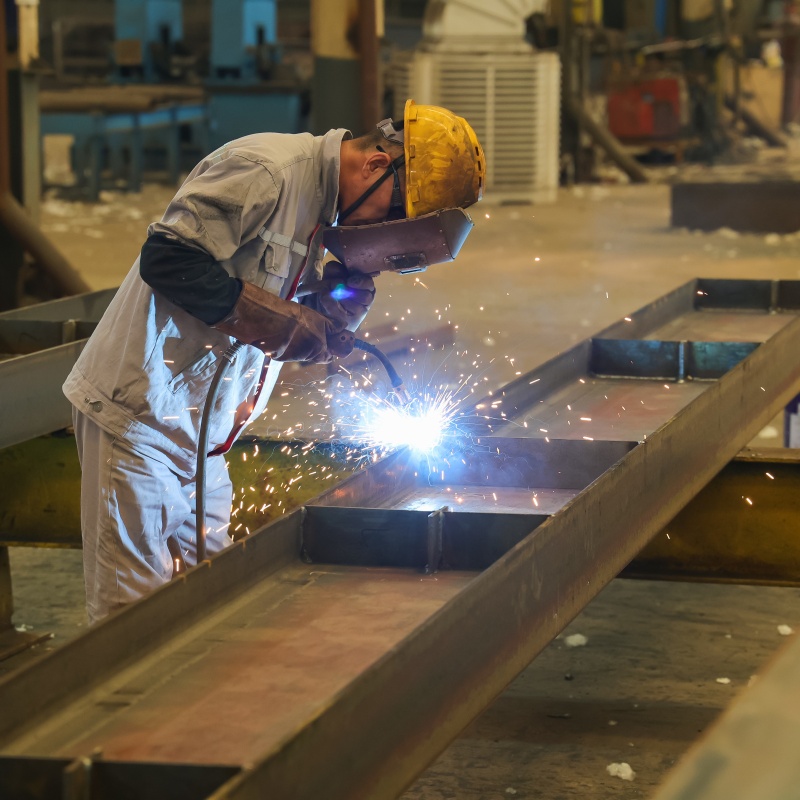
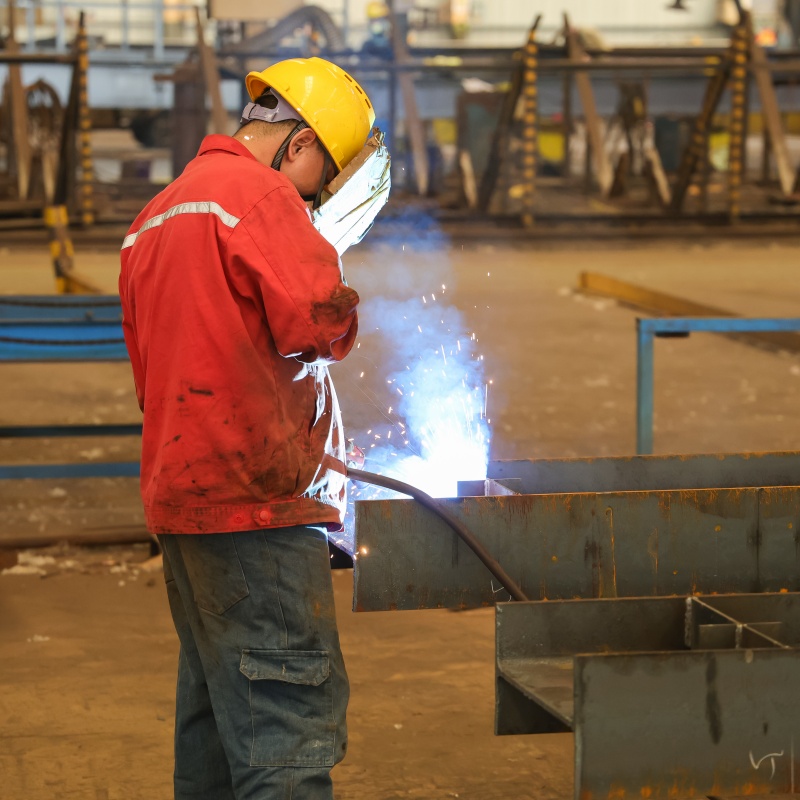
Factory Display
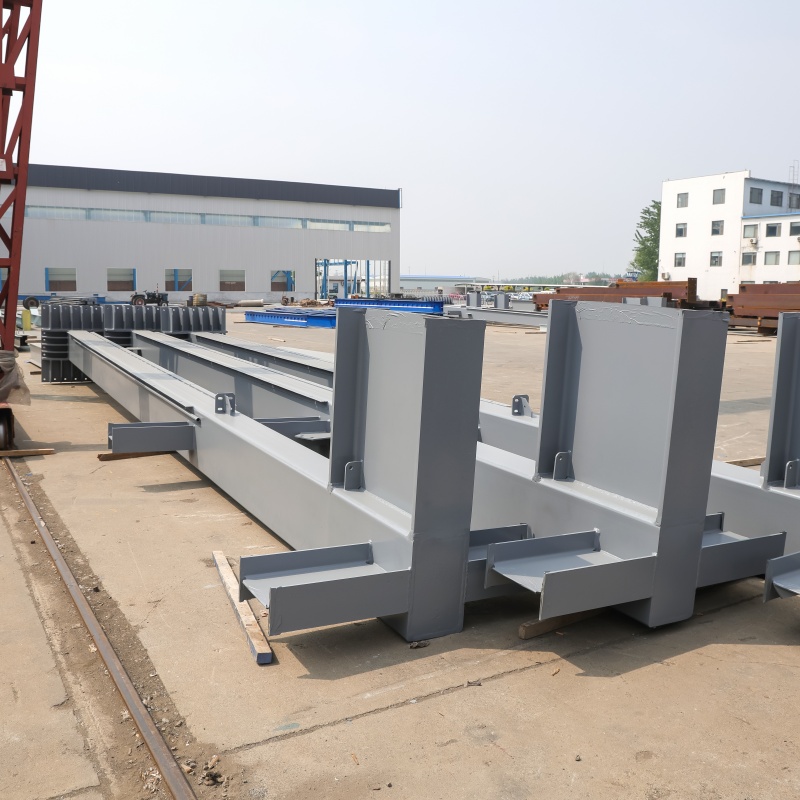
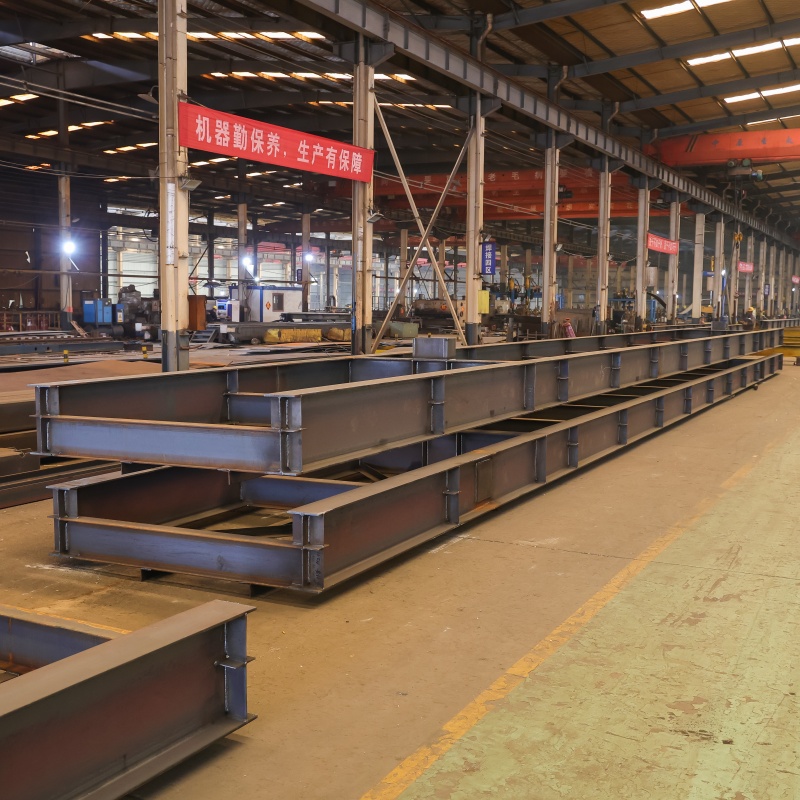
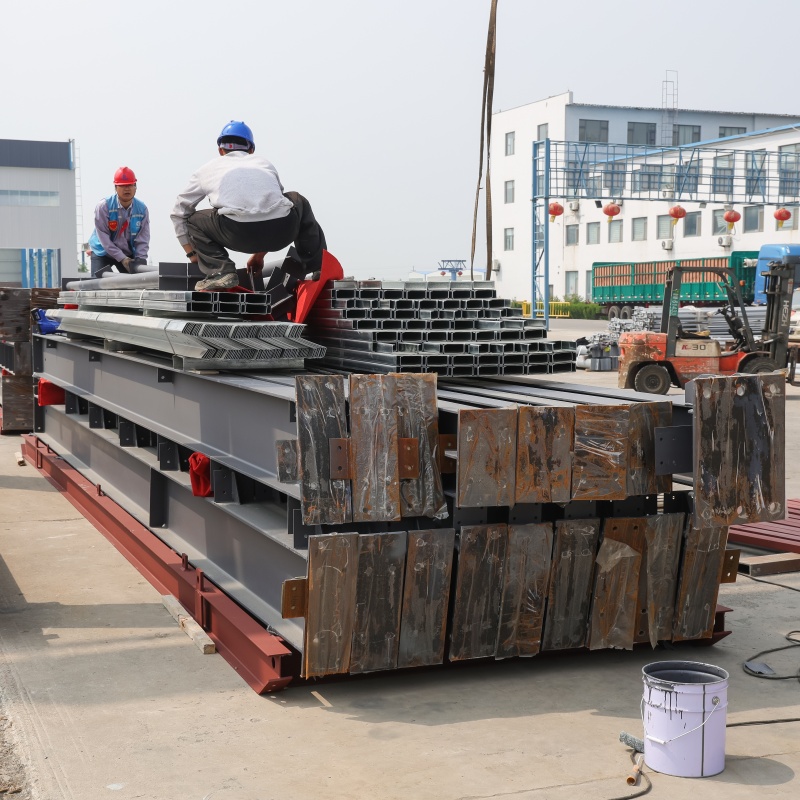
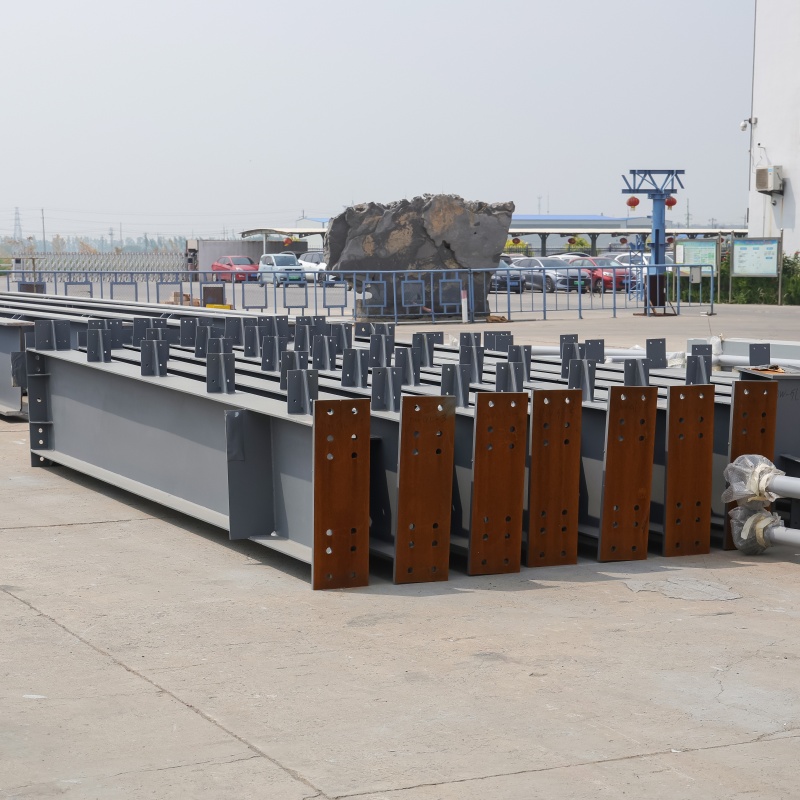
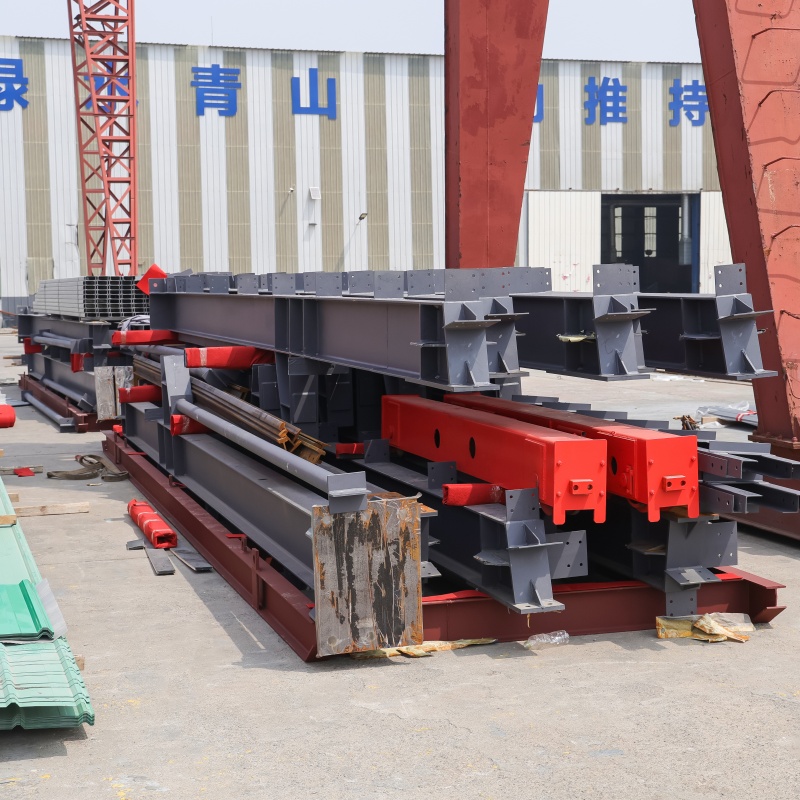
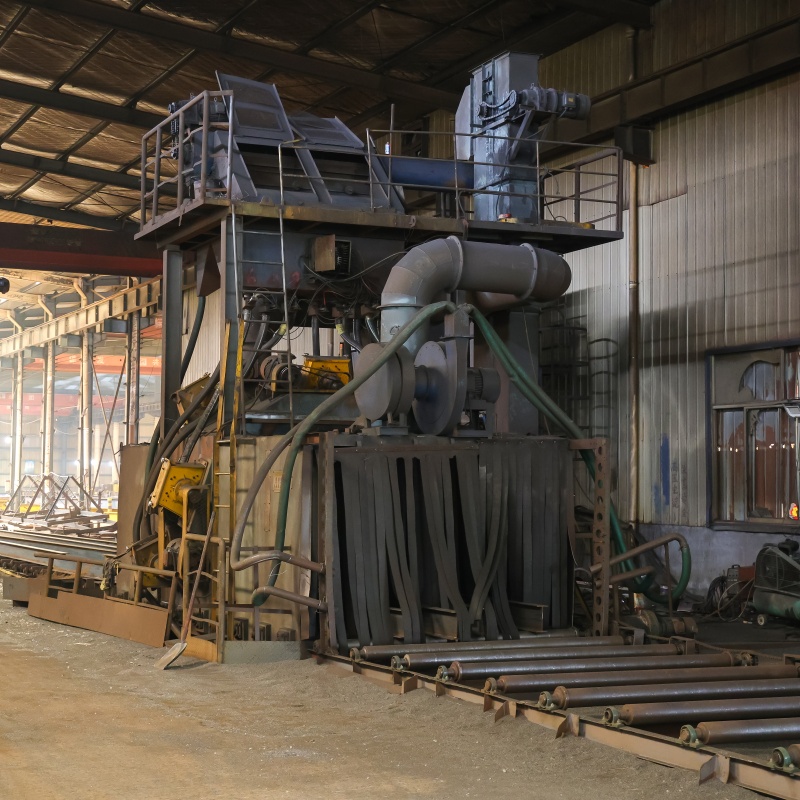
Products
Packing & Delivery
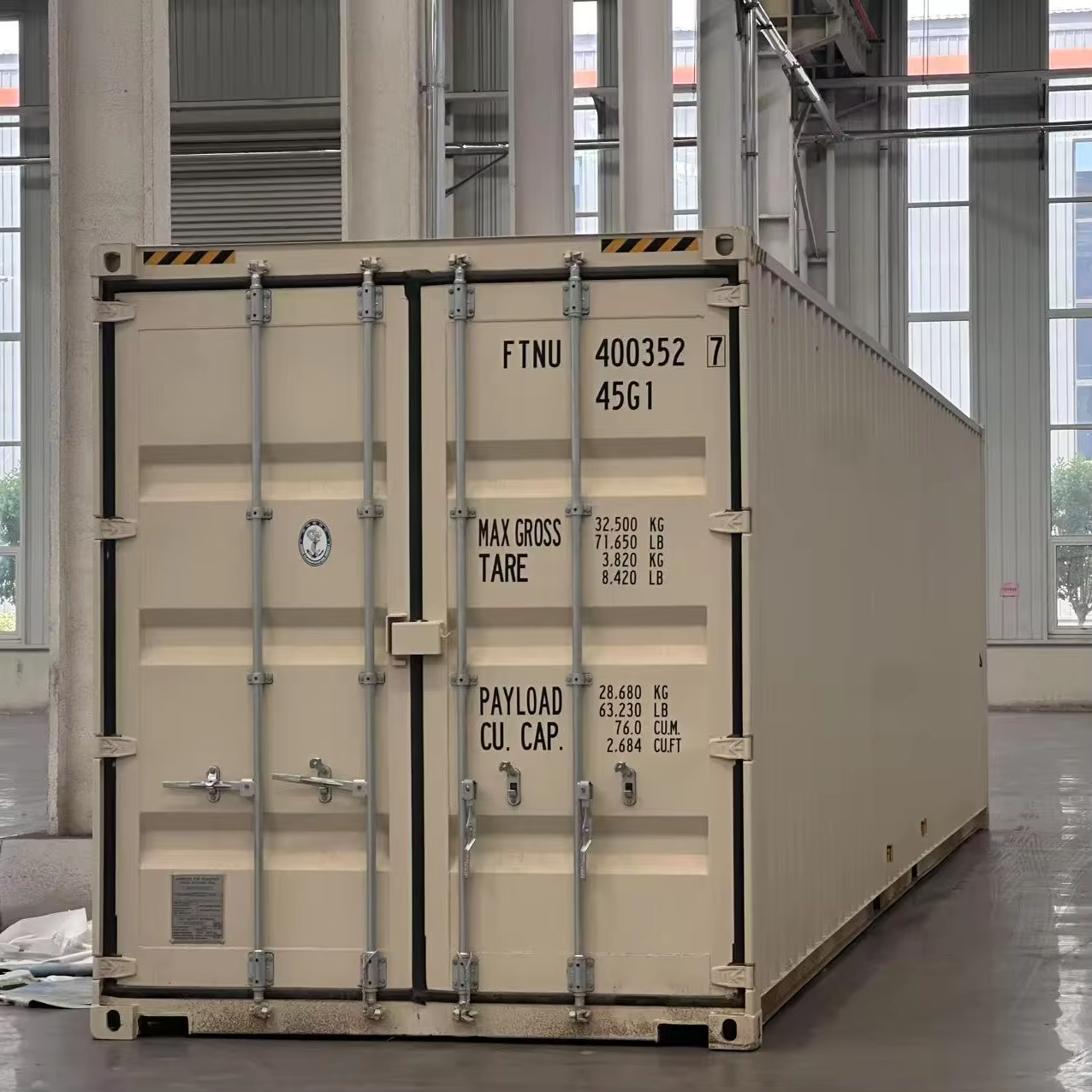
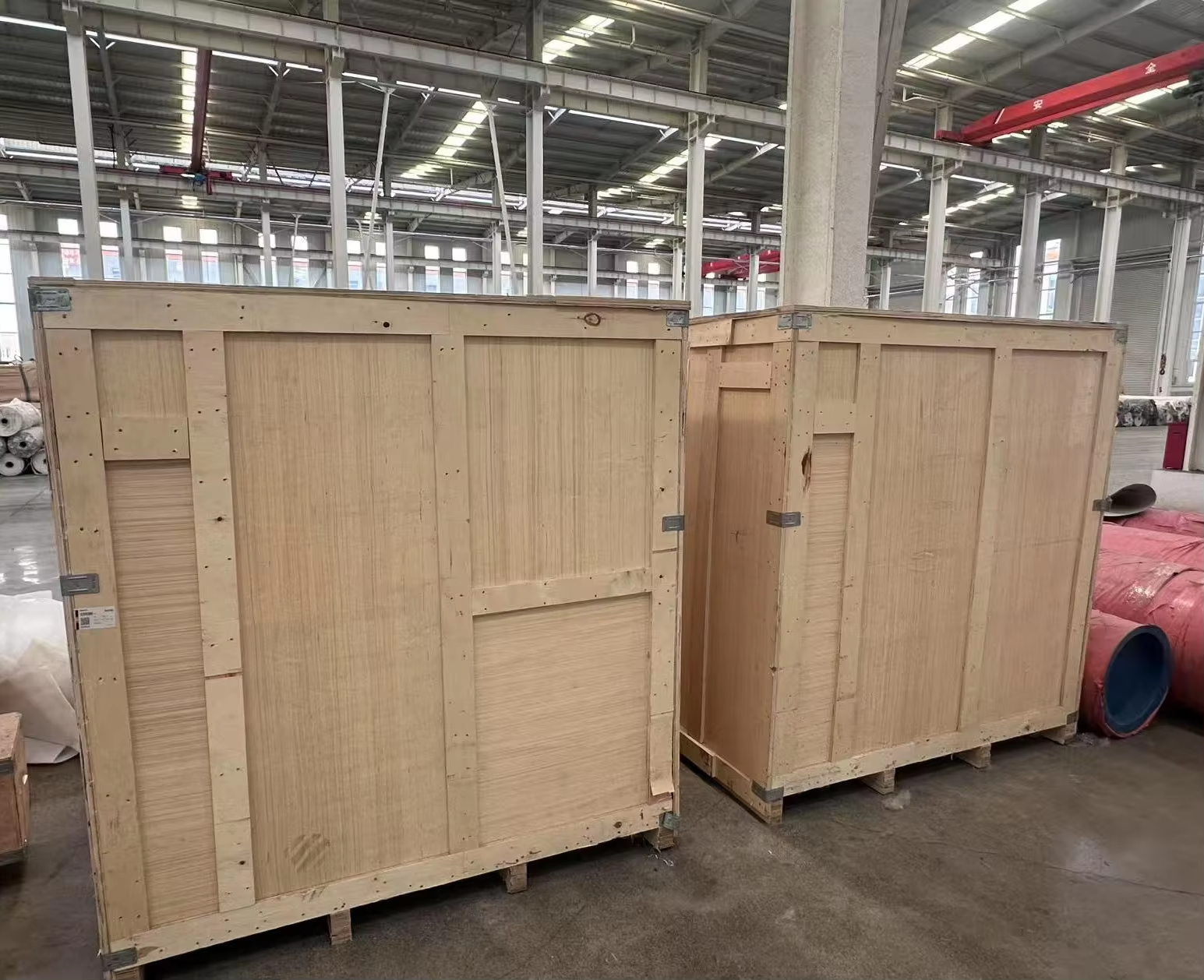
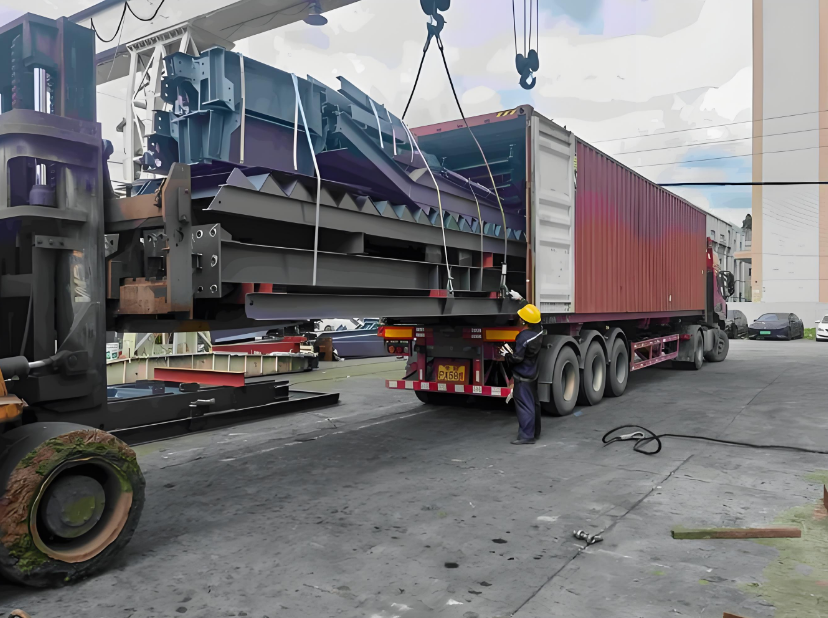
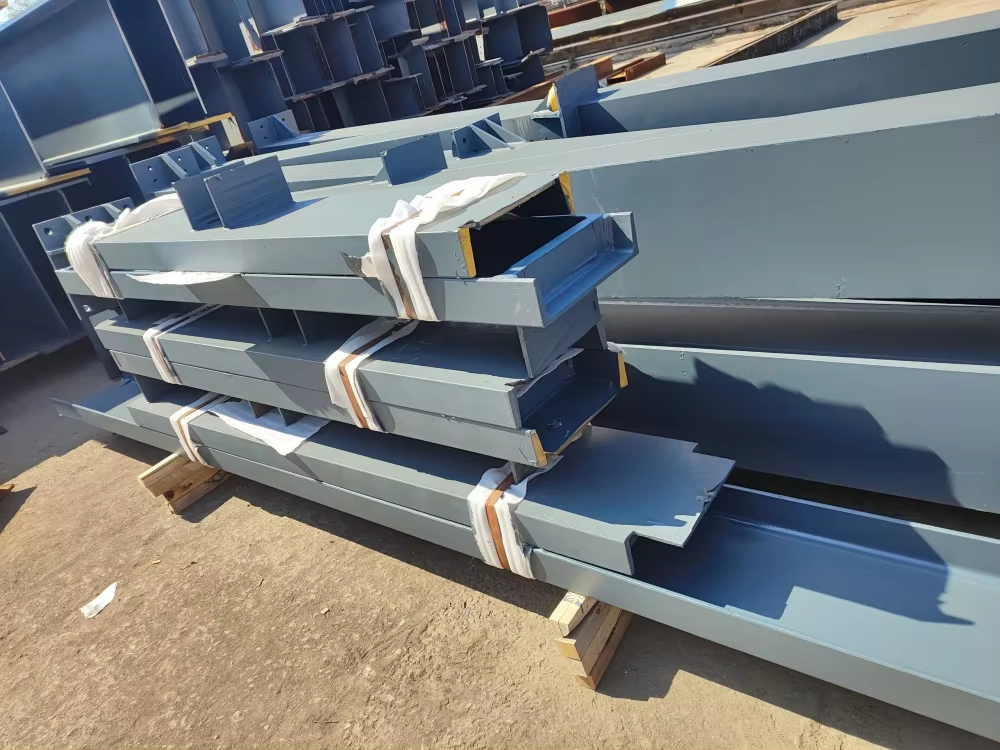
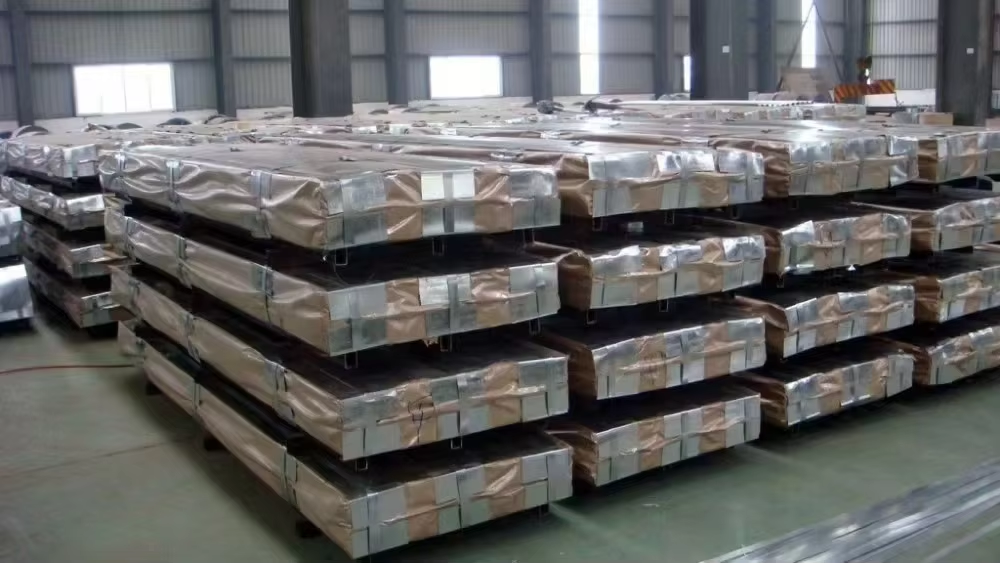
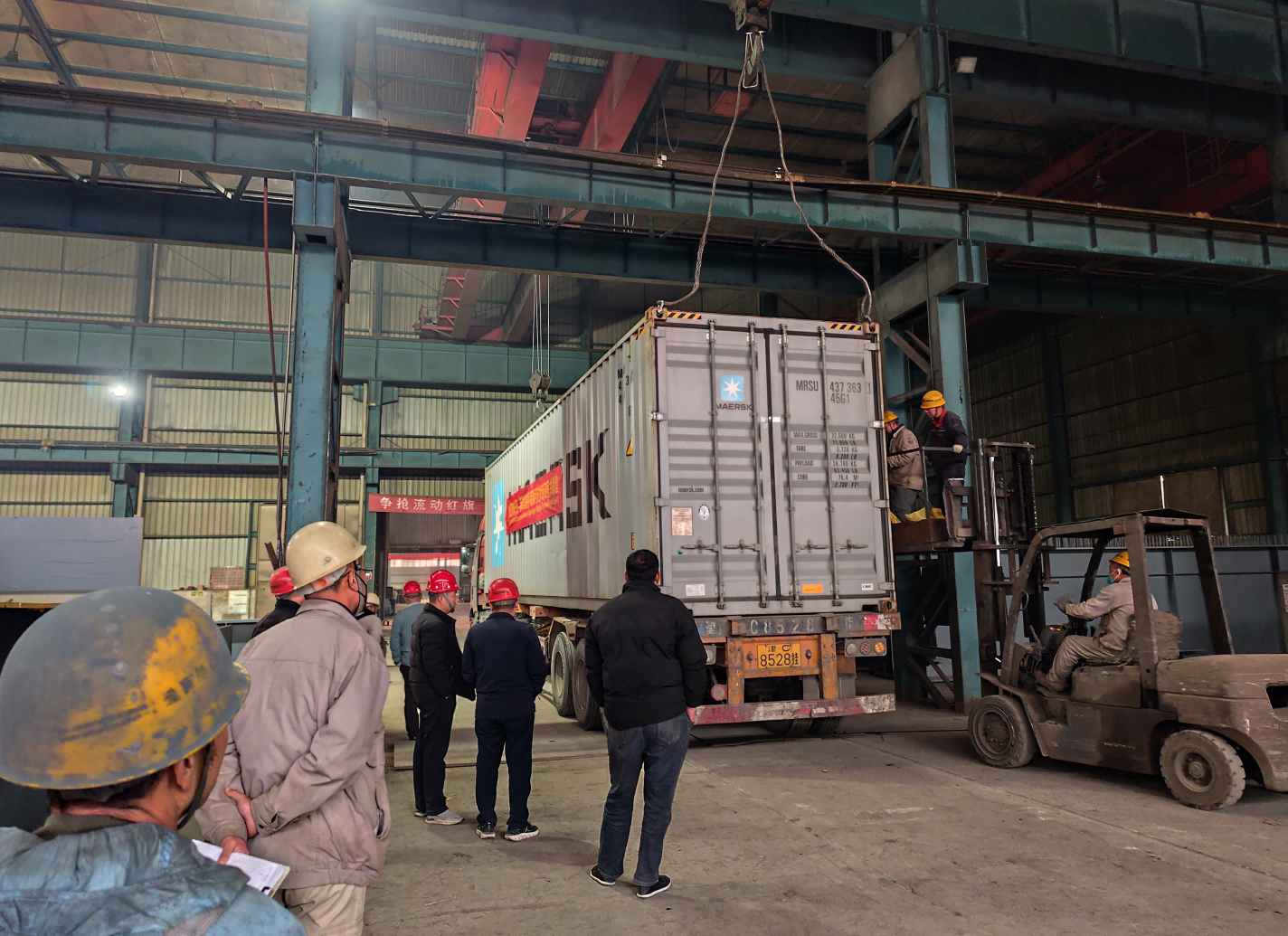
Products
FAQ
A: We provide one-stop services for overseas steel structure projects with support from our own physical factory and experienced engineering team. Our service covers technical communication, drawing review, project evaluation, customized solutions, detailing coordination, production planning, fabrication, quality inspection, export packing, shipment coordination, and delivery follow-up. We do not only manufacture steel components. We also help solve technical and execution issues before production, including structural optimization, connection detailing, layout improvement, fabrication feasibility review, and coordination between drawings and manufacturing. With our own factory, we can control quality, lead time, and component consistency more directly, giving overseas buyers stronger confidence in customized production and reliable delivery.
A: We stand out through our one-stop service system, reliable product quality, and proven overseas project experience. From technical communication, drawing review, and customized solutions to detailing, fabrication, quality inspection, export packing, shipment coordination, and delivery follow-up, we support the whole project process. With our own physical factory, we can control production quality, schedule, and component consistency more directly. Our experienced engineering team helps solve technical and execution issues before production, reducing errors and improving efficiency. We have also participated in overseas energy, bridge, and industrial projects, giving us stronger practical capability in international project delivery and on-site cooperation.
A: We supply a wide range of steel structure products, including steel workshops, warehouses, industrial buildings, bridges, Bailey bridges, grid structures, villas, cold storage buildings, livestock buildings, and other customized steel components. We place strong emphasis on product quality, manufacturing accuracy, and delivery reliability. With our own factory and professional engineering team, we can also provide project-based customized solutions according to drawings, technical requirements, application scenarios, and site conditions, so the products better fit real project needs.
A: We ensure quality through strong engineering, factory control, and proven overseas project experience. Our technical team uses PKPM, 3D3S, Midas, SAP2000, Tekla, and BIM for design, detailing, and production coordination, helping solve technical issues before fabrication starts. We have our own manufacturing base of over 200 mu with annual output above 200,000 tons, supported by Grade II general contracting, Grade I steel structure contracting, and certified quality, safety, and environmental systems. We have also delivered overseas projects in the Philippines, Pakistan, Nepal, and Ethiopia, covering power plants, bridges, and industrial buildings, which strengthens our practical ability in fabrication, export delivery, and on-site cooperation.
A: We are a steel structure company based in Shandong, China, supported by our own factory, professional engineering team, and complete export service system. We focus on overseas steel structure projects and provide one-stop services including technical consultation, drawing review, customized solutions, detailing, fabrication, quality control, export packing, shipment coordination, and delivery support. Our products have been exported to Southeast Asia, the Middle East, North America, Central America, East Asia, and South Asia. With strong manufacturing capacity and project experience, we can provide more reliable quality and delivery. We sincerely welcome overseas buyers and partners to visit our factory for cooperation and project discussion.
Products
Contact Us
Products
Related Suggestion
 Steel Structure Workshop & Warehouse Building
 Multi-layer industrial steel structure building structure, suitable for shopping malls and commercial purposes
 Steel Highway Bridge Components
 Steel Bridge Prefab Steel Truss Structure Bridge Design for Sale
 Prefab Steel Livestock Barns for Cattle, Sheep & Pigs-Strong, Ventilated & Easy to Assemble
 AISC Standard Joint Truss Beam Steel Structures
 Chicken poultry Egg-laying chicken breeding factory building
 Plant Steel Structure
 Comparison of Steel Portal Frame vs. Steel Truss Frame vs. Steel Space Frame
 Commercial Buildings
 Steel Structure in General Power Plant
 Steel Structure for Drilling Platform
 Multi-storey plant steel structure
 Standardized industrial plant buildings
 Prefabricated Steel Warehouse with Crane System Industrial Lifting Ready
 Prefabricated Steel Structure Warehouse Building
 Prefabricated Steel Warehouse Fast Construction & Low Cost Solutions
 Modern Prefabricated Steel Structure Warehouse and Industrial Workshop Building
 Modern Design Steel Structure Warehouse Modular Prefabricated Factory Building Low Cost Industrial Workshop Shed
 Heavy Duty Steel Structures Portal Frame for Industrial Warehouse Buildings ASTM Standard Welding for Steel Workshop
 Essential Steel Workshop Core Features Only - No Hidden Costs
We are more than happy to serve you here. If you have any question, please feel free to contact us.